
ספר לדוגמה · עברית ← אנגלית
הקוד היהודי להצלחה
קטע מתוך כתב היד בעברית, ולצידו התרגום לאנגלית, פסקה מול פסקה. קראו את שניהם ושפטו בעצמכם.
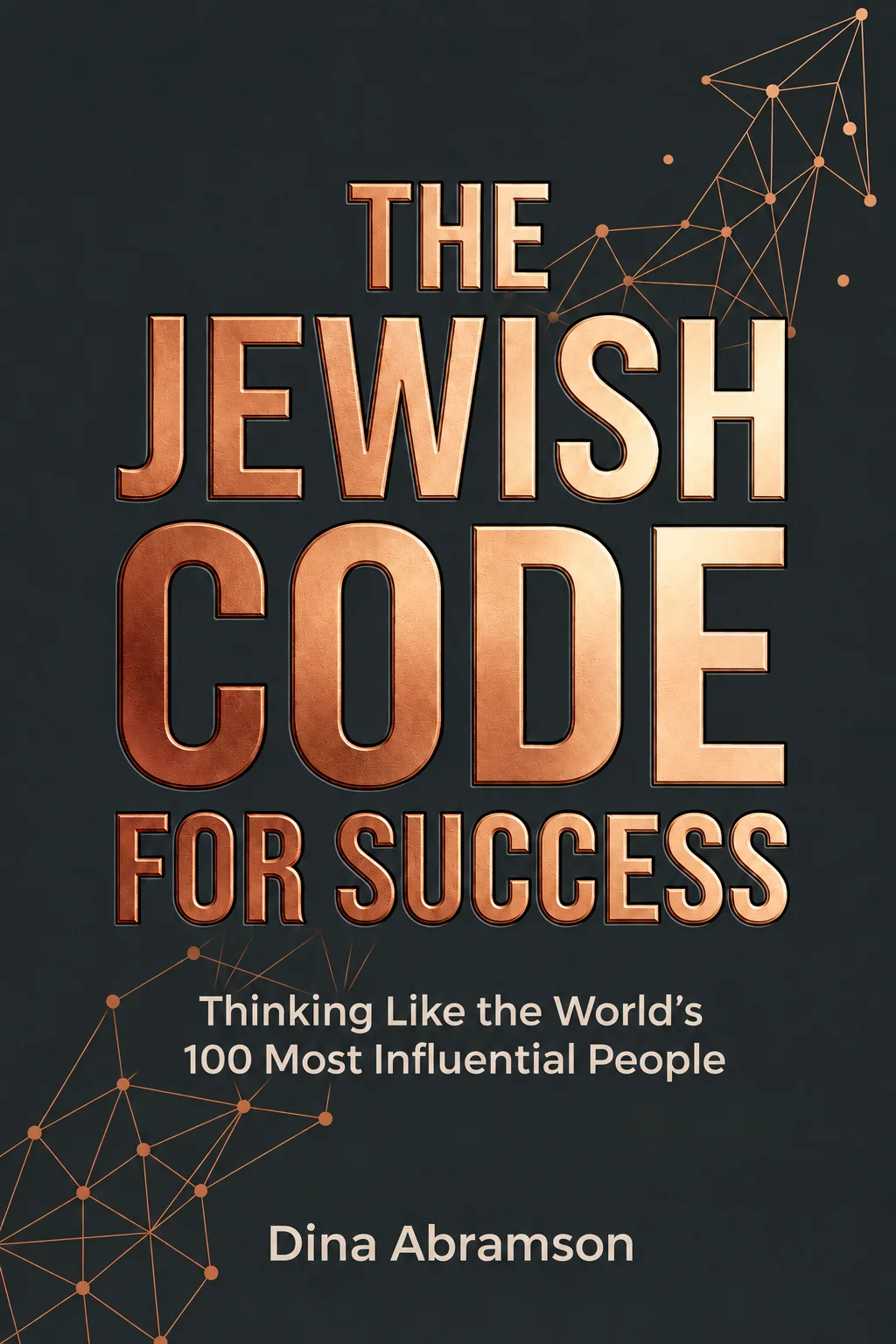
המקור והתרגום, פסקה מול פסקה
הקדמה
Introduction
עושר אמיתי כמעט אף פעם לא מתחיל בכסף.
True wealth almost never begins with money.
אני יודעת את זה, כי פעם ניסיתי להתחיל משם. ניסיתי לחשוב על כסף, לתכנן כסף, לרדוף אחרי כסף. וכל פעם שיצאתי לדרך מנקודת הפתיחה הזאת, מצאתי את עצמי חוזרת לאותו מקום בדיוק: מותשת, מרוקנת, לכודה בתוך מרדף שאין לו סוף.
I speak from experience—I tried to start there myself. I tried to think about money, plan for it, chase it. But every time I did, I ended up right back where I began: exhausted, drained, caught in a race with no finish line.
רק הרבה יותר מאוחר הבנתי שהשאלה הראשונה שלנו מעולם לא הייתה צריכה להיות: ״איך אעשה הרבה כסף?״. השאלה הראשונה צריכה להיות אחרת לחלוטין. איך יוצרים דבר בעל ערך? איך הופכים רעיון להשפעה? ואיך הופכים לאדם שלא רק מצליח לשרוד בעולם, אלא מצליח לשנות אותו?
Only much later did I realize that we had been asking the wrong question. The real question was never “How do I make a lot of money?” The questions we should have been asking were entirely different: How do you create something of value? How do you turn an idea into influence? How do you become someone who doesn’t just survive in the world but actually changes it?
האנשים שבאמת שינו את חייהם, ואחר כך גם את פני ההיסטוריה, קמו בבוקר עם שאלות שנשמעות כמעט תמימות. איך פותרים בעיה שאיש אינו מוכן להתמודד איתה? איך יוצרים משמעות בתוך כאוס? ואיך לוקחים כישרון, משבר או כאב, והופכים אותם לכוח שמניע מיליונים?
The people who truly changed their own lives—and then history itself—woke up each morning asking questions that sound almost innocent. How do you solve a problem others refuse to confront? How do you create meaning amid chaos? How do you take talent, crisis, or pain and turn it into a force that moves millions?
הכסף, כמעט תמיד, הגיע אחר כך.
The money almost always came later.
הוא לא היה המטרה. הוא היה תוצר לוואי, תוצאה טבעית של יצירת ערך. כי יש הבדל עמוק בין אדם מצליח לאדם משפיע.
Money, it turns out, was never the goal. It was a natural byproduct of creating value. That distinction matters. There’s a profound difference between a successful person and an influential person.
אדם מצליח יכול לבנות עסק, לצבור ממון, מעמד והישגים. אדם משפיע עושה משהו מעבר לזה. הוא פותח דלת לאחרים, הוא משנה דרך חשיבה, הוא יוצר פתרון שלא היה קודם.
הוא משאיר אחריו רעיון, מערכת או דרך חיים שממשיכים לפעול בעולם גם כשהוא עצמו כבר אינו נמצא בחדר.
A successful person can build a business, amass wealth, gain status, and achieve a great deal. An influential person goes further. They open doors for others, change how people think, and create solutions where none existed before. They leave behind an idea, a system, or a way of life that keeps working in the world long after they’ve left the room.
אלה האנשים שמעניינים אותי.
Those are the people who interest me.
ולפני שנתקדם, אני רוצה לשתף אתכם בנתון אחד. רק אחד. כי לפעמים מספר בודד מספיק כדי לשמוט את הקרקע מתחת לכל מה שחשבנו שאנחנו יודעים.
Before we go any further, I want to share one statistic with you. Just one. Because sometimes a single number is all it takes to upend everything we thought we knew.
נכון לאוקטובר 2026, בעת ירידתו של ספר זה לדפוס, שישה מתוך עשרת האנשים העשירים ביותר בעולם הם יהודים או בעלי מוצא יהודי, על פי מדד המיליארדרים בזמן אמת של מגזין פורבס.
As of October 2026, when this book goes to print, six of the world’s ten wealthiest people are Jewish or of Jewish descent, according to the Forbes Real-Time Billionaires ranking.[1]
[1] Forbes, “The World’s Real-Time Billionaires,” October 12, 2026. https://www.forbes.com/real-time-billionaires
לארי פייג', מייקל דל, סרגיי ברין, מארק צוקרברג, לארי אליסון וסטיב באלמר. שישה אנשים שהיו שותפים לעיצוב עולם הטכנולוגיה כפי שאנחנו מכירים אותו.
Larry Page, Michael Dell, Sergey Brin, Mark Zuckerberg, Larry Ellison, and Steve Ballmer. Six people who helped shape technology as we know it.
תנו לזה רגע לשקוע.
Let that sink in.
היהודים מהווים כ־0.2% בלבד מאוכלוסיית העולם, ובכל זאת, בנקודת הזמן הזו, שישה מתוך עשרת המקומות הראשונים בדירוג העושר העולמי מאוישים בידי אנשים ממוצא יהודי. רק 0.2% מהאנושות, אבל חצי משיא העושר העולמי.
Jews make up only about 0.2% of the world’s population. Hold those two facts side by side. A tiny sliver of humanity—and six of the ten richest people on earth.
וזה לא נעצר רק בכסף.
And it doesn’t stop at money.
אם תפתחו את הרשימות המובילות בשאר התחומים, תגלו שהתופעה הזאת חוזרת על עצמה שוב ושוב: יותר מעשרים אחוז מזוכי פרס נובל, המוחות המובילים בוול סטריט, האנשים שהקימו את הוליווד ומעצבים את התודעה של מיליארדים, אבות הפסיכולוגיה המודרנית – פרויד, פרנקל וכהנמן, והיזמים של עמק הסיליקון שכותבים את העתיד של כולנו.
Look at the top of any other field, and you’ll see it again and again: more than twenty percent of Nobel Prize winners, the sharpest minds on Wall Street, the founders of Hollywood who still shape how billions see the world, the fathers of modern psychology—Freud, Frankl, and Kahneman—and the Silicon Valley entrepreneurs writing our collective future.
זה לא גאון חד פעמי.
This isn’t about one single genius.
זה לא תחום אחד.
It isn’t confined to a single field.
זה לא סיפור מקרי שאפשר לפטור במשיכת כתפיים.
It isn’t a fluke you can shrug off.
מדובר בדפוס. ודפוסים אפשר לפענח.
It’s a pattern. And patterns can be deciphered.
✦
* * *
אבל אני חייבת להיות כנה איתכם.
But I have to be honest with you.
לא הגעתי לפענוח הדפוס הזה מתוך סקרנות אינטלקטואלית. לא ישבתי בספרייה ממוזגת ודפדפתי בנחת בספרי היסטוריה. הגעתי אליו מתוך התרסקות מוחלטת.
I didn’t decipher this pattern out of intellectual curiosity. I wasn’t sitting comfortably in an air-conditioned library, leafing through history books. I came to it through a complete collapse.
באוקטובר 2023, ביום אחד, העולם שלי התהפך. לא בהדרגה, לא בתהליך. ביום אחד.
In October 2023, my world turned upside down in a single day. Not gradually. Not over time. In one day.
מאותו יום, שנתיים שלמות עברו בצל של אזעקות, טילים ומסוקי קרב שחותכים את השמיים מעל הבית. שנתיים שבהן ילדים לומדים לרוץ למקלט לפני שהם לומדים לקרוא בשטף. שנתיים שבהן הצליל הכי רגיל בעולם הוא צליל שבשום מקום אחר בעולם אינו רגיל. הבעל שלי עשה חמש מאות ימים במילואים.
From that day on, two full years passed under the shadow of air-raid alerts, missiles, and combat helicopters cutting across the sky above our home. Two years in which children learned to run for shelter before they could read fluently. Two years in which a sound no one else would call normal became the most familiar sound of all. My husband served five hundred days in the reserves.
חמש מאות ימים.
Five hundred days.
אני כותבת את המספר הזה ועדיין לא מצליחה להכיל אותו. חמש מאות ימים שבהם ניהלתי בית לבד, גידלתי ילדים לבד, עבדתי לבד, ובעיקר פחדתי לבד. לא פחד קולנועי ודרמטי, אלא הפחד השקט, המתמשך. זה שמתיישב לך בין הצלעות ומסרב לזוז. הפחד שמלווה אותך כשאת שוטפת כלים, כשאת עונה למיילים, כשאת מכינה ארוחת ערב ומנסה לחייך לילדים שמבינים יותר ממה שאת רוצה שיבינו.
I write that number down and still can’t quite grasp it. Five hundred days of running the household alone, raising the children alone, working alone, and above all, being afraid alone. Not the dramatic fear you see in movies, but the quiet, constant kind. The kind that settles between your ribs and refuses to move. It stays with you while you wash dishes, answer emails, and make dinner—and while you try to smile at children who understand more than you wish they did.
בבוקר אחד, אחרי לילה שבו האזעקות לא נתנו לנו לישון יותר משעתיים רצופות, ישבתי במטבח עם קפה שכבר התקרר. הילדים עוד ישנו. הבית היה דומם באותו שקט מתוח שיש רק בבקרים שאחרי לילה של אזעקות. שקט שאינו באמת שקט, כי האוזניים עדיין מחכות לסירנה הבאה.
One morning, after a night of air-raid alerts that kept us from sleeping more than two hours straight, I sat in the kitchen over a cup of coffee gone cold. The children were still asleep. The house held the taut stillness that only a night like that can leave behind. It wasn’t really quiet. My ears were still waiting for the next siren.
ואז פתחתי את האפליקציה של הבנק.
Then I opened my banking app.
אפס.
Zero.
לא כמעט אפס, לא סכום נמוך, לא מינוס שאפשר לנהל. אפס עגול. אפס כסף. אפס לקוחות. אפס עתיד נראה לעין.
Not close to zero. Not a low balance. Not the kind of overdraft I could live with and work around. Just zero. No money. No clients. No future I could see.
המסך האיר את הפנים שלי באור כחלחל, ואני זוכרת שחשבתי: זהו. נגמר. אין מאיפה להתחיל. המלחמה לקחה הכול. את הביטחון, את הפרנסה, את היכולת לתכנן קדימה אפילו שבוע אחד. סגרתי את הטלפון והנחתי אותו על השולחן, עם המסך כלפי מטה, כאילו מה שלא רואים אינו קיים.
The screen cast a bluish light on my face. I remember thinking: This is it. It’s over. I don’t even know where to start. The war had taken everything—my sense of safety, my livelihood, my ability to plan even a week ahead. I closed the app and set my phone face down on the table, as if not seeing it could make it go away.
ולרגע באמת חשבתי שאין טעם. לא טעם לנסות, לא טעם לקום, לא טעם לחפש עוד פתרון בעולם שלא מפסיק לזרוק בך אבנים.
And for a moment, I really thought there was no point. No point in trying. No point in getting up. No point in looking for another solution in a world that kept knocking me down.
באותו רגע, כל ספרי ההשראה שקראתי אי פעם נשמעו לי כמו בדיחה אכזרית. כל המשפטים היפים על ״להאמין בעצמך״ ועל ״החלום שלך מחכה לך״ איבדו את המשמעות שלהם. כשאת יושבת במטבח עם אפס בבנק ואזעקות ברקע, אין לך מקום למשפטים יפים. אין לך זמן למוטיבציה, אין לך סבלנות לאמונה עיוורת.
In that moment, every inspirational book I’d ever read felt like a cruel joke. Every lovely line about “believing in yourself” and “your dream is waiting for you” meant nothing. When you’re sitting in your kitchen with zero in the bank and air-raid sirens in the background, there’s no room for pretty words. No time for motivation. No patience for blind faith.
אבל שם, בתוך האפס המוחלט, כשלא נותר לי במה להיאחז, עלתה בי שאלה אחת: אם יש אנשים שמצליחים לקום גם כשהעולם קורס סביבם, ואם יש עם שחי אלפי שנים בתוך חוסר ודאות ובכל זאת מצליח שוב ושוב לבנות, ליצור, להוביל ולהשפיע – מה הם עושים אחרת?
But sitting there with nothing left to hold on to, one question came to me: If some people can get back up even as the world collapses around them, and if a people can live for thousands of years amid uncertainty and still, again and again, build, create, lead, and make an impact—what are they doing differently?
לא חיפשתי אשמים. לא חיפשתי נחמה.
I wasn’t looking for someone to blame. I wasn’t looking for comfort.
חיפשתי קוד.
I was looking for a code.
וכשלא נותר לי מה להפסיד, עשיתי את הדבר היחיד שיכולתי. הלכתי אחורה. לא אחורה במובן של נסיגה, אחורה במובן של חפירה.
And when I had nothing left to lose, I did the only thing I could: I went back. Not to retreat, but to dig.
כמו ארכיאולוגית הנוברת בשכבות הזמן, חזרתי אל הטקסטים העתיקים ביותר שהכרתי. אל סיפורי התנ״ך. אבל הפעם קראתי אותם בעיניים אחרות. לא רק כסיפורי קודש, אלא כמדריכי הישרדות. כמפות ניווט של אנשים שחיו בתוך חוסר ודאות מוחלט, ובכל זאת הקימו עמים, הנהיגו, יצרו ובנו רעיונות שחיים ומשפיעים עד היום.
Like an archaeologist digging down through layers of time, I turned to the oldest texts I knew: the stories of the Hebrew Bible. This time, though, I read them with new eyes. Not just sacred stories, but survival guides. Maps for people who lived in utter uncertainty yet built nations, led, created, and came up with ideas the world still lives by.
קראתי על אברהם, שעזב הכול והלך אל הלא נודע בלי מפה, בלי הבטחה ובלי רשת ביטחון. על יוסף, נער שנמכר לעבדות בעולם זר והפך לאסטרטג הכלכלי של האימפריה החזקה בעולם, מפני שידע לקרוא את העתיד ולהתכונן אליו כשכולם סביבו עדיין חגגו. ועל שלמה המלך, שעמד מול האפשרות לבקש הכול, ובמקום לבקש כסף או כוח, ביקש לב שומע.
I read about Abraham, who left everything behind and set out into the unknown with no map, no guarantees, and no safety net. About Joseph—a boy sold into slavery in a foreign land, who would become the economic strategist of the world’s most powerful empire. He could read what was coming and prepare for it while everyone around him was still celebrating. And about King Solomon, who could have asked for anything, yet asked for neither money nor power—only an understanding heart.
ראיתי שם דפוס מדהים. אף אחד מהם לא התחיל מן המרדף אחרי כסף או ביטחון. כולם התחילו ממשהו עמוק יותר. מאומץ. מחכמה. מנכונות ללכת אל הלא נודע. מן היכולת לראות את מה שאחרים עדיין לא ראו, ומן ההסכמה לקחת אחריות על משהו גדול מהם.
I saw a remarkable pattern. None of them began by chasing money or security. They began with something far deeper: Courage. Wisdom. The willingness to venture into the unknown. The ability to see what others could not yet see. And the readiness to take Responsibility for something greater than themselves.
באותו בוקר במטבח קיבלתי החלטה ששינתה את חיי. החלטתי להפסיק לרדוף, וסירבתי להמשיך לפעול מתוך הישרדות נואשת. בחרתי להתנהג, כאן ועכשיו, כמו אדם בעל השפעה. שלפתי מתוך הטקסטים העתיקים מילה אחת. מילה פשוטה. מילה עוצמתית, שאברהם, משה ומנהיגים אחרים השתמשו בה ברגעי המבחן הגדולים ביותר שלהם.
That morning in the kitchen, I made one decision, and it has shaped every day since. I stopped chasing. I refused to keep living as if survival were all that mattered. From that moment, I would act like a person of influence. I pulled a single word from the ancient texts. A simple word. A powerful word that Abraham, Moses, and other leaders had used in their most trying moments.
אמרתי לעולם: ״הנני״.
I said to the world: “Hineni.”
אני כאן.
I am here.
אני מוכנה.
I am willing.
אני לוקחת אחריות.
I take Responsibility.
וברגע שהתחלתי לומר ״הנני״, משהו במציאות סביבי התחיל להשתנות. לא ברעש גדול, לא בנס אחד דרמטי. אבל דלת אחר דלת החלה להיפתח.
The moment I started saying “Hineni,” something shifted around me. No fanfare. No single dramatic miracle. But one door after another began to open.
רוצים לראות את העימוד המלא? הורדת הדוגמה המעוצבת (PDF)
רוצים לקרוא כך את הספר שלכם?
שלחו את כתב היד וקבלו תרגום של כ־5 העמודים הראשונים, בחינם וללא התחייבות.