
ספר לדוגמה · עברית ← אנגלית
חוסן של אמת
קטע מתוך כתב היד בעברית, ולצידו התרגום לאנגלית, פסקה מול פסקה. קראו את שניהם ושפטו בעצמכם.
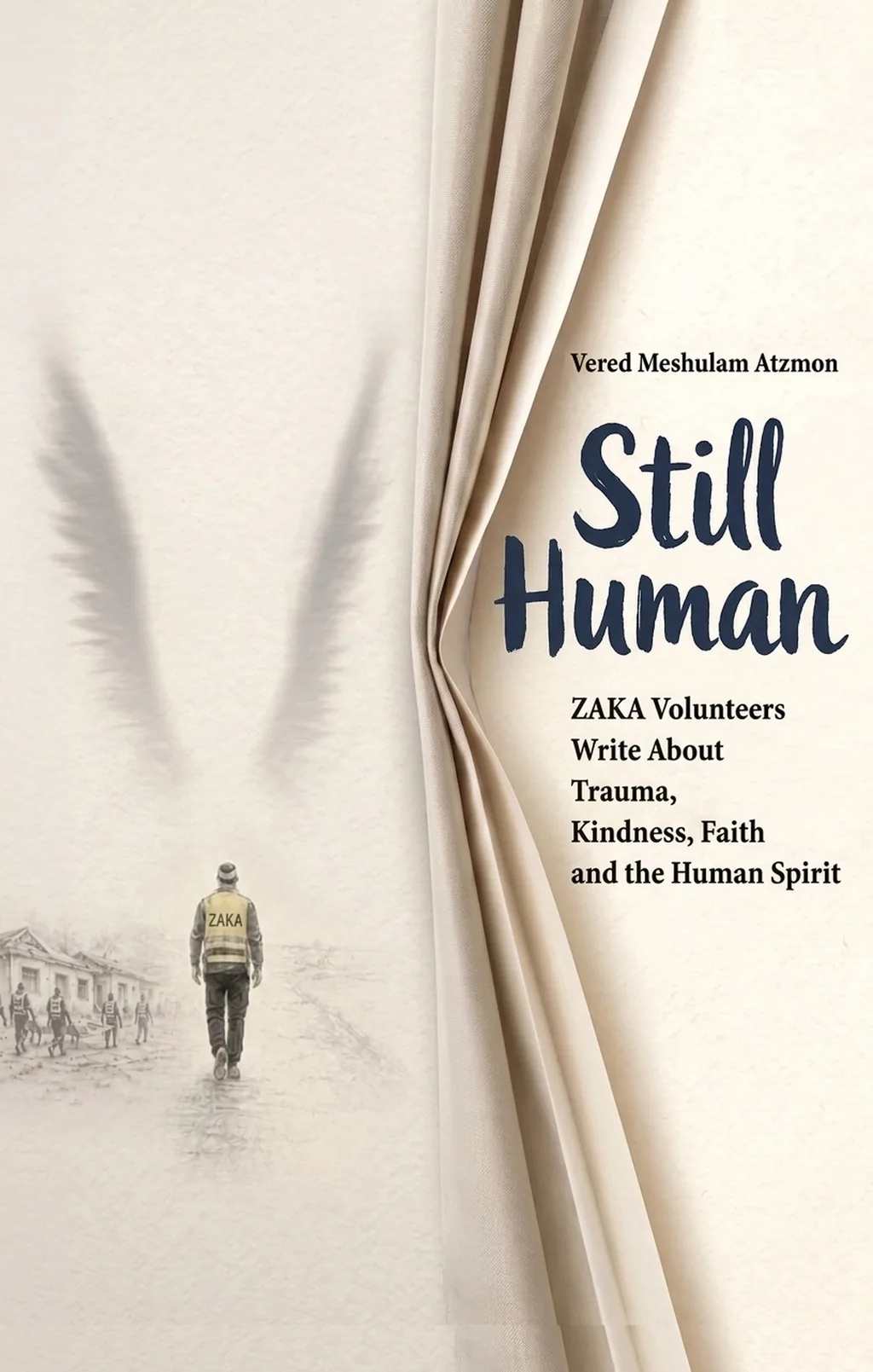
המקור והתרגום, פסקה מול פסקה
פרולוג | העיניים
Prologue | The Eyes
כמה חודשים לאחר 7 באוקטובר הזמנתי את מתנדבי זק״א לאחת מסדנאות החוסן שהנחיתי. לא הכרתי איש מהם, וגם הם לא הכירו אותי. הסתובבתי ביניהם, ניסיתי לזכור שמות, לחבר פנים לסיפורים שהלכו איתי משורה.
A few months after the slaughter on October 7, 2023, I invited ZAKA volunteers to one of the resilience workshops I was leading. I knew none of them. None of them knew me. As I walked among them, I tried to remember their names and put faces to the stories I had carried with me from Shura military base, where the dead of October 7 were identified.
ואז הוא נעצר מולי. ופתאום, בלי שאיש מאיתנו אמר מילה, פשוט התחלנו לדמוע. יש דמעות שאין להן הסבר, הן פשוט יודעות את דרכן החוצה. לקח לי רגע להיזכר. זה היה ארי מילר. פגשתי אותו לראשונה בשורה, באוהל הזיהוי, כשליווינו יחד את משפחתה של שחר גינדי ז"ל. גם שם, ברגע הפרידה, עמדנו זה לצד זה ודמענו. כשפגשתי אותו עכשיו בשנית, חזר אלי מיד הרגע ההוא. שוב היו אלה העיניים שחיברו. הוא – חסיד בעלז, אב לשישה ילדים מבית שמש. אני – פסיכולוגית חילונית, שמעולם לא העלתה בדעתה שאחד המפגשים העמוקים בחייה יהיה דווקא עם אדם שעולמו שונה כל כך מעולמה.
Then he stopped in front of me. Suddenly, without a word passing between us, we both began to cry. It took me a moment to place him. It was Ari Miller. We had first met at Shura, in the identification tent, when we accompanied the family of Shahar Gindi, may her memory be a blessing. There too, when it came time to say a last goodbye to her, we stood side by side and cried. Seeing him brought that moment back at once. Again, it was our eyes that connected us, as they had that day. There we stood. He, a member of the Belz Hasidic community from Beit Shemesh, a father of six. I, a secular psychologist who never imagined that one of the deepest encounters of my life would be with someone from a world so unlike my own.
אילו היו אומרים לי שבוע לפני 7 באוקטובר שיום אחד נעמוד כך זה מול זה ונדמע בלי לומר מילה, הייתי מחייכת בנימוס וחושבת שזה סיפור יפה, אך לא סביר. אלא שהחיים, למדתי מאז, אינם מתעניינים במה שנראה לנו סביר.
Had someone told me, a week before October 7, that we would one day stand face to face like that and cry without a word, I would have smiled politely. A beautiful story, I would have thought. But unlikely. Since then, I have learned how little life cares about what we think is likely.
בדרך חזרה הביתה לא הצלחתי להפסיק לחשוב עליו. איך בכלל זיהיתי אותו? הרי לא זכרתי את פניו, לא את הזקן שלו ולא את הקול. ואז הבנתי: זכרתי את העיניים.
On my way home, I couldn’t stop thinking about him. How did I even recognize him? I didn’t remember his face, his beard, or his voice. Then it came to me: I remembered his eyes.
בשורה כמעט שלא הסתכלנו על הפנים, וגם לא על הגוף. הסתכלנו בעיניים. נדמה לי שבתוך כל מה שהיה שם, הן היו המקום היחיד שבו עוד אפשר היה לפגוש את הנשמה. את האדם.
At Shura, we hardly looked at faces—or even at bodies. We looked into the eyes. With the dead all around us, they seemed to me the only place where we could still meet the soul. The person.
אומרים שהעיניים הן ראי הנפש. בעקבות המפגש המחודש עם ארי הבנתי שבאותם ימים, בתוך האוהלים, כשהלב כבר לא ידע כיצד להכיל את מה שהעיניים ראו, למדנו להביט אחרת: לא רק במה שנשבר, אלא גם במה שנשאר.
They say the eyes are the windows to the soul. Seeing Ari again, I understood what they meant. In those days, inside the tents, when our hearts could no longer bear what our eyes had seen, we learned to look differently: at what remained as well as at what had been broken.
והיה עוד רגע משורה שנחרת בי בבהירות.
I remember another moment from Shura clearly.
אחרי כמה ימים של משמרות שמתי לב שכמעט כל חלל שליוויתי הגיע עם סימנים של וידוא הריגה. תהיתי אם מדובר בצירוף מקרים, או שכך הגיעו רוב החללים. ניגשתי לאחד המפקדים בבסיס ושאלתי אותו. הוא השיב שאכן כך הדבר. את הרגע הזה איני שוכחת. הייתי המומה מעוצמת האכזריות, ממה שחוויתי באותו רגע כדבר החורג מגבולות האנושי. עלו בי סיפורי הפוגרומים מדברי הימים של העם שלנו, מאושוויץ מהשואה – כל אותם סיפורים על בני עמי שנרצחו ונטבחו רק מפני שהיו יהודים. ההיסטוריה, שעד אז הכרתי כסיפור שעבר מדור לדור, חדלה באותו רגע להיות רק עבר. היא עמדה מולי, בהווה.
הנתון הזה, שרבים מהחללים הגיעו עם סימנים של וידוא הריגה, הוביל אותי להבנה עד כמה מכוּון היה הרצון לא רק להרוג, אלא גם להותיר בנו חותם בזיכרון הקולקטיבי שלנו לדורות. לימים התבהר לי משהו חדש בציווי הכפול על עמלק – "זכור את אשר עשה לך עמלק" ו"תמחה את זכר עמלק" (דברים כה, יז-יט): לזכור, אבל לא לתת לפגיעה שהרוע הותיר בנו להגדיר את מי שנהיה ואת הירושה הרגשית שנעביר הלאה.
After several days of working shifts at the base, I began to notice a pattern. Nearly every body I accompanied bore the signs of an execution: the killers had made certain each one was dead. Was it a coincidence? Or had most of the dead arrived that way? I asked one of the commanders there. He confirmed that most of them had.
I will never forget that moment. I was stunned by a cruelty that at the time seemed beyond the bounds of humanity. Memories of the pogroms recorded in my people’s history rose up in me—Auschwitz, the Holocaust, account after account of Jews murdered and slaughtered simply because they were Jews. Until then, history had been a story handed down from one generation to the next. It was no longer only the past. It stood before me, here and now. The signs I had seen on so many of the bodies, showing that the killers had finished each one off, brought home to me how deliberate their intent was. They meant not only to kill, but to leave a mark on our collective memory for generations. In time, I came to understand anew the two commandments about Amalek: “Remember what Amalek did to you” and “Blot out the memory of Amalek” (Deuteronomy 25:17–19). We must remember, but we must not let the wounds evil has left in us define who we become or shape the emotional legacy we pass on.
ובתוך ההלם החלה להתהוות בי קריאה: שכל זה לא יהיה לשווא. שאם הזיכרונות האלה הופקדו בידי, מוטלת עלי האחריות להיות עדה.
לספר את סיפור מותם האכזרי והנפשע של בני עמי ולהשמיע את קולם של מי שכבר אינם יכולים לספר על כך בעצמם. מתוך הכאב העמוק שחשתי נוכח הסבל הנורא שנשקף מפניהם של החללים, לשמע זעקות השבר שנשמעו באוהלי הזיהוי, הרגשתי שאני חייבת לעשות כל שביכולתי כדי לעזור לעם שלנו – ולו רק כדי שנהיה ראויים לאלה שכבר אינם איתנו.
And amid the shock, a calling began to take root in me: none of this must be in vain. If these memories were entrusted to me, then it was my duty to bear witness—to tell the story of how my people were cruelly murdered, and to give voice to those who could no longer speak for themselves. The terrible suffering I saw in the faces of the dead tore at me, as did the screams of grief I heard in the identification tents. I felt compelled to do everything I could for our people, if only so that we might be worthy of those we lost.
רק לאחר זמן, כשהתחלתי לחבר נקודה לנקודה – את סבא שלי, ניצול השואה היחיד ממשפחתו שביוון; את השתיקות שנשא עמו; את רוזה, אחותו; את חולי הסרטן שליוויתי; את המשפחות; את אחותה של שחר גינדי, שביקשה לראות רק את הלק הוורוד שמרחה לאחותה; ואת ארי – הבנתי שכל הסיפורים האלה אינם נפרדים. הם קשורים זה בזה. הם דיברו זה עם זה. והם דיברו איתי.
In time, I began to see the threads running through these stories: my grandfather, the sole survivor of his family in Greece after the Holocaust; the silences he carried; his sister, Rosa; the cancer patients I had accompanied; the families; Shahar Gindi’s sister, who asked to see only Shahar’s nails, painted with the pink polish she had put on them for her; and Ari. I came to understand that these stories were connected. They spoke to one another, and they spoke to me.
אני לא יודעת אם באותו רגע נולדה "עדשת הרוח", אבל אני יודעת שהמפגש עם מתנדבי זק״א הרחיב בתוכי את היכולת להקשיב למה שעדיין לא היו לו מילים, ואת ההכרה בצורך העמוק במקום ובכלים שיוכלו להחזיק את כל מה שמבקש להיאמר.
I don’t know whether the Lens of the Spirit was born in that moment. But I do know that meeting ZAKA volunteers deepened my ability to listen to what had not yet found words. It also showed me how much we needed a place and tools to hold everything that still had to be said.
רק מאוחר יותר הבנתי שהעיניים של ארי לא היו עבורי רק זיכרון משורה. הן העלו את השאלה ששבה וליוותה אותי לאורך הדרך: מה נשאר באדם אחרי כל מה שראה, ומה מאפשר לו, אחרי שראה את כל זה, להמשיך ולראות גם את החיים?
Only afterward did I understand that Ari’s eyes were more than a memory from Shura. They left me with a question that has followed me ever since: What remains of a person after all they have seen? And what allows them, after all they have seen, to go on seeing life, too?
הספר הזה נולד מתוך ניסיון למצוא תשובות.
This book grew out of an attempt to find answers.
מאימתי?
From when?
״מאימתי״ היא המילה הראשונה הפותחת את התלמוד הבבלי: ממתי. אולי זו גם השאלה שבה מתחיל הספר הזה – מאיזה רגע משתנה הדרך שבה אדם מספר את חייו?
Me’eimatai—“From when?”—is the first word of the Babylonian Talmud. Perhaps it is also the question that opens this book: At what point does a person’s way of telling their life story change?
אצלי, התשובה מתחילה במשפט שקיבלתי בהודעת וואטסאפ: ״אני ממתין למשימת ליווי של משפחות ההרוגים".
For me, the answer begins with a sentence in a WhatsApp message: “I’m waiting to be assigned to accompany the families of those killed.”
בדרך לשורה
On the Way to Shura
יש ימים שבהם אנחנו זוכרים כל פרט, ויש ימים שכל מה שנותר מהם הוא אוסף של רגעים. כמו היום שבו רבין נרצח. כמו היום שבו נפלו מגדלי התאומים. 7 באוקטובר הפך גם הוא ליום כזה.
Some days we remember every detail. Others leave us with only a handful of moments. The day Prime Minister Yitzhak Rabin was assassinated in 1995. The day the Twin Towers fell. October 7 joined them.
גם היום, כשאני מנסה לשחזר אותו, הוא אינו שב אלי כרצף אחד. הוא חוזר בהבזקים. טלפון. אזעקה. מסך. הודעת וואטסאפ. שיר שמתנגן ברכב. שער אחד. ועולם שלם שנחצה לשניים.
Even now, when I try to piece it together, the day does not come back in order. It comes in flashes. A phone. A siren. A screen. A WhatsApp message. A song playing in the car. A gate. And a whole world split in two.
בבוקר 7 באוקטובר, בסביבות השעה 11:00, אפרת, חברתי הטובה, התקשרה אלי. הכרתי את קולה שנים. אבל באותו בוקר שמעתי בו משהו שמעולם לא שמעתי. היא נשמעה אחרת. "עילי לא עונה".
On the morning of October 7, around eleven, my close friend Efrat called. I had known that voice for years. But that morning I heard something in it I had never heard before. She didn’t sound like herself. “Ilay isn’t answering.”
כמה ימים קודם לכן עוד פגשתי אותו. זה היה בחול המועד סוכות. הוא יצא לרגילה, ורגע לפני שחזר לבסיס לתפקידו החדש נפגשנו במקרה. הוא היה בדרכו לצאת למסיבה. קמתי לקראתו ואמרתי בחיוך: "עיליצ׳וק... איזה יפה אתה. תיהנה במסיבה. ובהצלחה בתפקיד החדש". זאת היתה שיחה של כמה שניות. שיחה מהסוג שלא עוצרים כדי לזכור. לא העליתי על דעתי שזו תהיה השיחה האחרונה שלי איתו. גם אחרי השיחה עם אפרת עוד לא דמיינתי זאת. חשבנו שאולי אין קליטה. שאולי הטלפון כבוי. שאולי עוד מעט הוא יחזור. רצינו להאמין שעוד מעט הוא יתקשר, ושבוודאי יש הסבר.
I’d seen him just a few days earlier, during Chol HaMoed Sukkot, the intermediate days of the holiday. He was on leave, and we ran into each other just before he went back to base to start his new assignment. He was on his way to a party. I stood up to greet him and said with a smile, “Ilaychuk… you look so handsome. Enjoy the party. And good luck in your new role.” It lasted only a few seconds—the kind of moment you don’t think to hold on to. I never imagined it would be the last time I spoke to him. Even after Efrat’s call, that thought still hadn’t crossed my mind. We thought maybe he had no reception. Maybe his phone was off. Maybe he’d be back soon. We wanted to believe he would call at any minute, that there had to be an explanation.
אבל ככל שנקפו השעות, הלכו ההסברים והתמעטו. ובינתיים התחילו להגיע התמונות. בתחילה עוד ניסינו להבין מה אנחנו רואים. אחר כך כבר לא היה אפשר להסיט את המבט. קריאות נואשות של משפחות מתוך הממ״דים שודרו בשידור חי. אנשים לחשו בטלפון כדי שהמחבלים לא ישמעו אותם. הם התחננו שמישהו יבוא. מדינה שלמה ישבה מול המסכים. ראינו הכול. ולא יכולנו לעשות דבר.
But as the hours wore on, the possible explanations dwindled. Meanwhile, the images began to come in. At first, we struggled to make sense of what we were seeing. Soon we could no longer look away. Families shut in their safe rooms cried out for help, and we heard them live. People whispered into their phones so the terrorists wouldn’t hear them. They begged for someone to come. An entire country sat staring at its screens. We saw it all. And we could do nothing.
אני זוכרת את עצמי מרגישה שהגוף שלי מסרב להאמין למה שהעיניים רואות ולמה שהאוזניים שומעות. ידעתי רק דבר אחד: אני חייבת לעשות משהו. לא יכולתי להישאר במקום כשכל כך הרבה אנשים זקוקים לעזרה. המחשבה הראשונה שעלתה בי היתה ליצור קשר עם גבי פרץ, הפסיכולוג הארצי לשעבר של משרד הבריאות. היה לי ברור שאם מתחילים להקים מערך שילווה את האנשים, הוא יהיה שם. בשעה 20:42 שלחתי לו הודעה: "גבי, מה שלומך? אם יש משהו שאני יכולה לסייע בו, תעדכן אותי". לא ידעתי למה אני מצפה. חשבתי שאולי אעזור במענה טלפוני לפניות של אנשים.
I remember my body refusing to believe my own eyes and ears. I knew only one thing: I had to do something. I couldn’t stay where I was, not while so many people needed help. My first thought was to contact Gabi Peretz, the former chief psychologist of the Ministry of Health. I had no doubt he would be part of whatever support system was being set up to help people through this. At 8:42 p.m., I sent him a message: “Gabi, how are you? If there’s anything I can help with, let me know.” I didn’t know what I was expecting. I imagined answering calls from people seeking support.
חשבתי אולי על ריכוז שמות של פסיכולוגים שבוודאי ירצו להתגייס, מרחוק או מקרוב. על כל דרך שבה נוכל, כאנשי מקצוע, לעזור. בהמשך הלילה הוא השיב: "אני ממתין למשימת ליווי של משפחות ההרוגים". לא ידעתי שבאותו רגע מתחילה להיפתח בפני הדרך שתוביל אותי לשורה. אני לא זוכרת שהתלבטתי. אני זוכרת רק את האצבעות שלי מקלידות. תחילה כתבתי: "אני רוצה לעזור". ואז הוספתי: "אני יכולה להצטרף אליך?" רק אחרי ששלחתי עצרתי. לא עבדתי אז במשרד הבריאות, לא הייתי מגויסת, ושלוש בנותי היו בבית. לא היה שום היגיון בבקשה הזאת. הייתי בטוחה שהוא יאמר שאין אפשרות. במקום זאת הוא ענה: "יתאמו איתך משמרת. זה הולך להימשך הרבה זמן".
I could put together a list of psychologists who would surely want to volunteer, remotely or in person. I ran through all the ways we could help as professionals. Later that night, he replied, “I’m waiting to be assigned to accompany the families of those killed.” Only later would I understand that a path was beginning to open before me. It would lead me to Shura. I don’t remember hesitating. I remember only my fingers typing. First I wrote, “I want to help.” Then I added, “Can I join you?” Only after I sent it did I stop to think. I wasn’t working for the Ministry of Health then. I hadn’t been called up, and my three daughters were at home. My request made no sense. I was certain he would say no. Instead, he answered, “They’ll arrange a shift for you.” Then he added, “This is going to last a long time.”
אחר כך הוא כתב שהמשמרת הראשונה תהיה למחרת בחצות. ברגע אחד הכול נעשה ממשי. הנחתי את הטלפון בצד. השעה היתה כמעט שלוש לפנות בוקר.
He later wrote that my first shift would begin the next night at midnight. Then it all felt real. I set my phone aside. It was almost three in the morning.
אמרתי לאמא שלי שבלילה אני נוסעת למשמרת הראשונה. היא הביטה בי במבט שלא אשכח לעולם. "ורד", אמרה בשקט, "איך תעמדי בזה? איך תוכלי לראות את הדברים האלה? ומה עם הבנות?" הסתכלתי עליה. לא ידעתי מה להשיב. לא ידעתי אם אצליח לעמוד בזה. אפילו לא ידעתי מהו בסיס שורה.
I told my mother I was going to my first shift that night. She gave me a look I will never forget. “Vered,” she said quietly, “how will you bear it? How can you look at those things? And what about the girls?” I looked at her. I didn’t know what to say. I didn’t know if I could bear it. I didn’t even know what Shura military base was.
אמרתי לה רק משפט אחד: "אני פשוט חייבת ללכת".
I told her only one thing: “I just have to go.”
רוצים לראות את העימוד המלא? הורדת הדוגמה המעוצבת (PDF)
רוצים לקרוא כך את הספר שלכם?
שלחו את כתב היד וקבלו תרגום של כ־5 העמודים הראשונים, בחינם וללא התחייבות.